



What is the difference between Dunlop and Talalay latex?
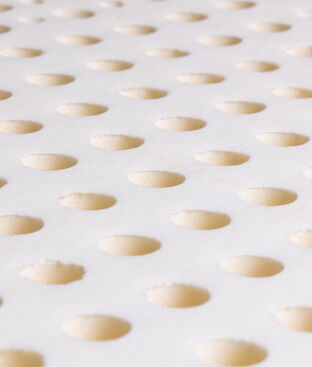
The primary difference between Dunlop and Talalay latex lies in their manufacturing processes, which ultimately dictates their density, feel, and intended use within a mattress. The Dunlop method is the original, traditional technique that has been used since 1929. In this process, the liquid latex sap is whipped into a froth, poured into a mold, and baked. Because it is a simpler, one-stage heating process, the natural sediments in the mixture tend to settle toward the bottom of the mold as it sets, resulting in a finished product that is slightly firmer and denser on one side than the other.
Is there a significant difference in the lifespan or durability of Dunlop vs. Talalay latex?
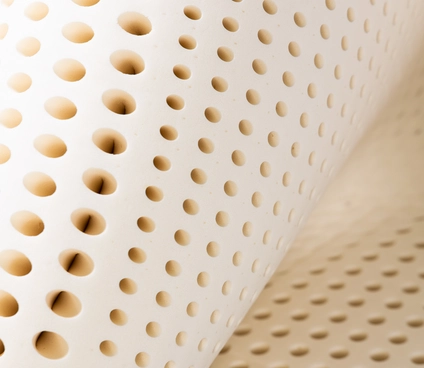
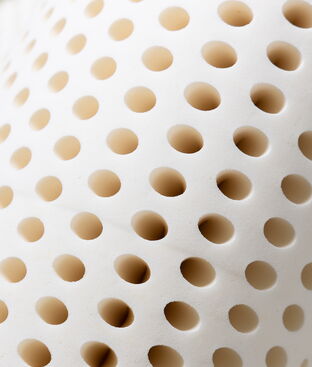
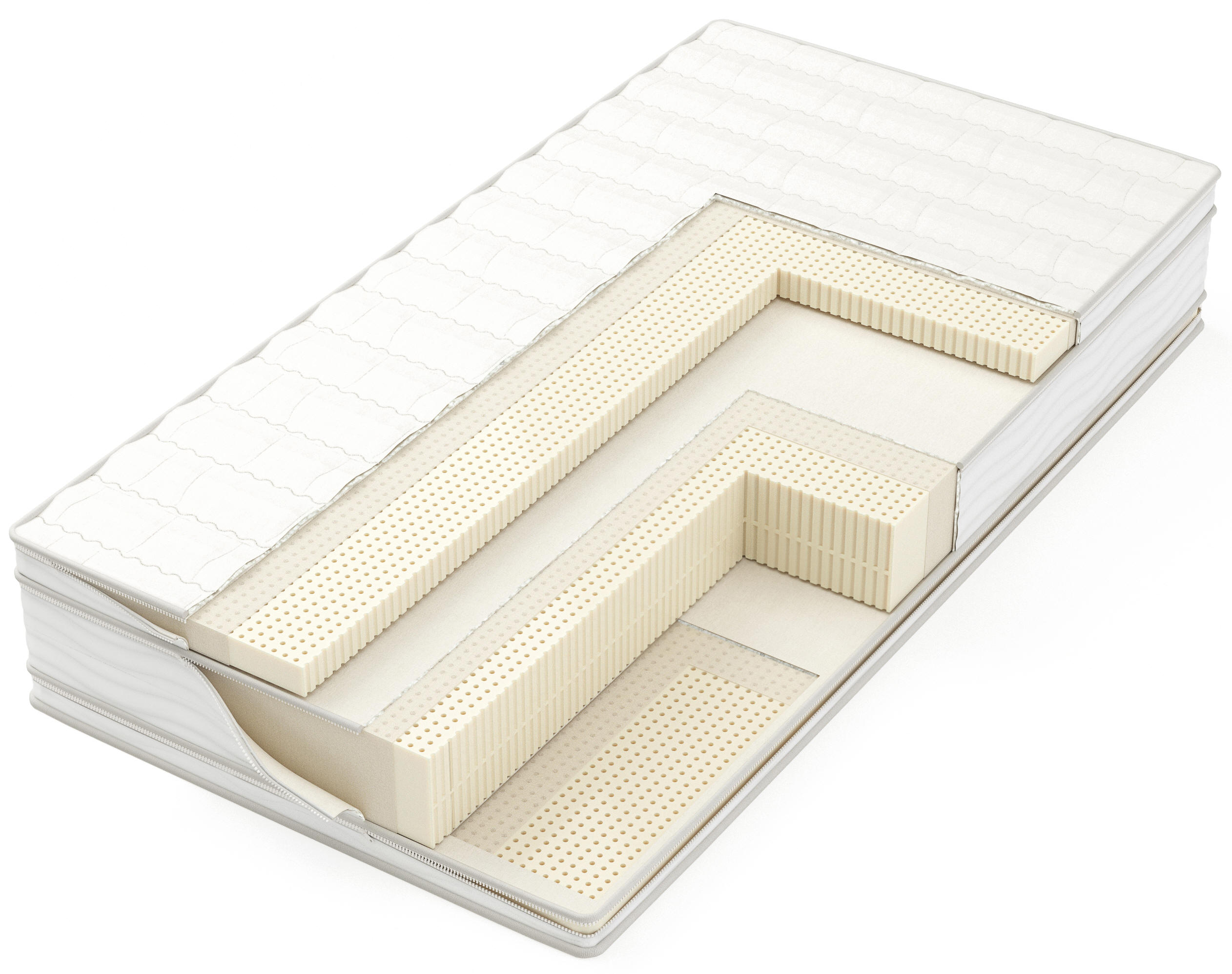
In contrast, the Talalay process is a more modern, multi-stage method that adds two crucial steps: vacuum sealing and flash-freezing. After the latex is poured into the mold, a vacuum is used to distribute the liquid and air bubbles evenly throughout the interior. It is then flash-frozen to stabilize the cell structure before being baked. This sophisticated engineering prevents the settling found in Dunlop, resulting in a highly consistent, airy, and uniform piece of foam that feels much lighter and more resilient than its traditional counterpart.
Which manufacturing process—Dunlop or Talalay—results in a more consistent and uniform foam structure?
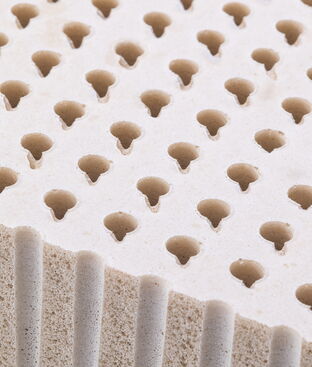
When it comes to physical density and support, Dunlop latex is the clear heavyweight. Because of its dense molecular structure and the settling effect during cooling, it is exceptionally durable and resistant to compression. This makes it the ideal material for the base or "core" layers of a mattress. It provides the heavy-duty lifting required to keep the spine aligned and prevents that "sinking" feeling. While it can be made in softer versions, its natural state is best suited for those who prefer a solid, stable foundation under their body.
Is one type of latex considered 'higher quality' than the other, or is it purely a matter of preference?
Talalay latex is frequently described as having a "bouncy" or "uplifting" feel, often compared to a marshmallow or a cloud. Because the vacuum and freezing steps create a perfectly consistent open-cell structure, it offers superior pressure relief. It reacts instantly to body movement, contouring to curves without trapping the sleeper. This makes Talalay the preferred choice for the top comfort layers of a mattress. It excels at cradling the shoulders and hips, providing a plush surface that still allows for easy movement and a buoyant sensation.
What are the technical steps that make the Talalay process different from the Dunlop process?
Breathability and temperature regulation also vary between the two due to their internal cell structures. Talalay latex has a more "open" cell structure than Dunlop, as the vacuum process stretches the air bubbles into a more breathable web. This allows for significantly better airflow, which helps dissipate body heat throughout the night. While Dunlop is still much cooler than memory foam, it is slightly more "closed" and dense, meaning it doesn't circulate air quite as efficiently as the highly porous Talalay.
Why is Talalay latex typically more expensive than Dunlop latex?
In terms of durability, Dunlop is often cited as the more robust option for long-term use. Its high density means it is less likely to lose its shape or develop body impressions over a decade of use. This is why many manufacturers use Dunlop for the bottom 6 to 8 inches of a bed. Talalay is certainly durable compared to polyurethane foams, but because it is less dense and more "stretched," it can be slightly more delicate. However, when used as a top layer and protected by a high-quality cover, it still lasts significantly longer than traditional mattress materials.